

6 Steps to Fearlessly Lead an Online Community
 What’s the difference between productive online conversations and angry online snipping matches?
Leadership.
Online communities are powerhouses of collaboration that demand fearless leaders to succeed. They otherwise become vacuums of disinformation and vitriol that inevitably fail.
The best social managers build constituencies with purpose and a strategy for growth. They ensure that members exchange valuable information, advice and ideas. They administer a steady flow of content that’s timely, relevant and encourages feedback. They ask thoughtful questions and respond to comments.

 With a new year in our vanguard, now is the perfect time for business teams to review and plan ahead to ensure the next twelve months and beyond are full of productivity, creativity, goal-meeting, memorable successes, and high spirits. To guarantee a triumphant 2019, check out some of these ideas to practice with your team in order to foster an upbeat mindset and attain goals of any grandeur. Leaders should especially make a point to implement the following practices and reinforce them by using the

 Canada’s Private Social Network Celebrates Third Anniversary in Calgary & First in Mississauga!

 Communication is part of what makes us human and has existed since, well, forever. It is essential for maintaining long-lasting, fruitful relationships across all areas of life and is especially valuable when it comes to fostering strong business relationships.



 With headlines in the news like:

 Entrepreneurs tend to have a mindset that they can do it all. This is especially true when their business is in the start-up phase. While bootstrapping has benefits like keeping your business lean when money is tight, taking on too many tasks sidetracks business owners from the purpose of their business: growth and revenue. But isn’t one saving money by doing everything themselves? After all, money not spent is money still in the business.

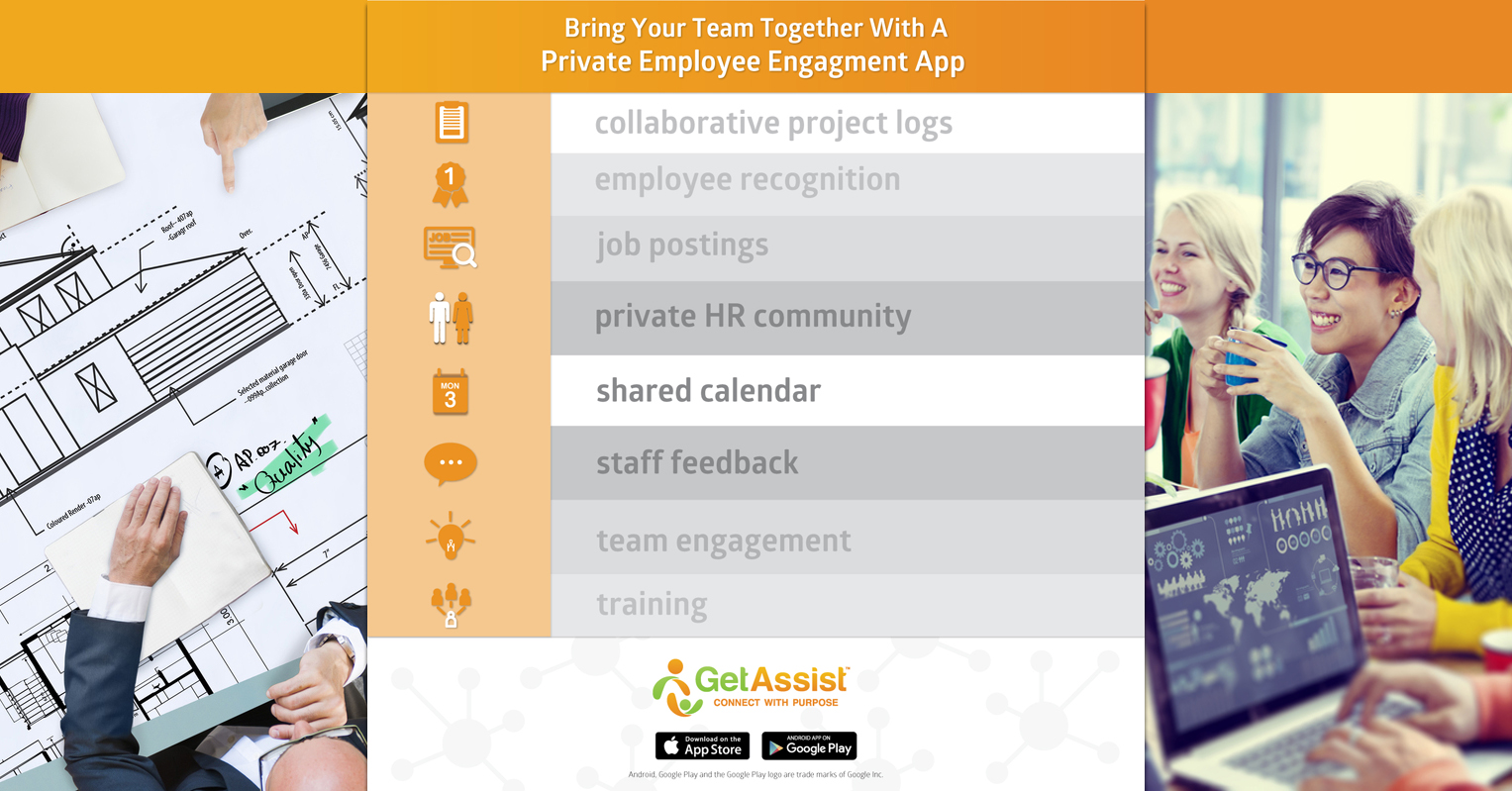 Close your eyes and picture what you believe to be the typical work setting. Are you envisioning fluorescent lights blaring down on rows of gray cubicles? Or perhaps a corner office with a big desk and a city view from fifty floors up in a skyscraper. Turns out, neither of these are the typical work setting. In fact, the majority of service and web-based companies are comprised of a team working partly or entirely from a remote location. This poses challenges for management. With a team spread all over, how do you create employee engagement and keep them working together?